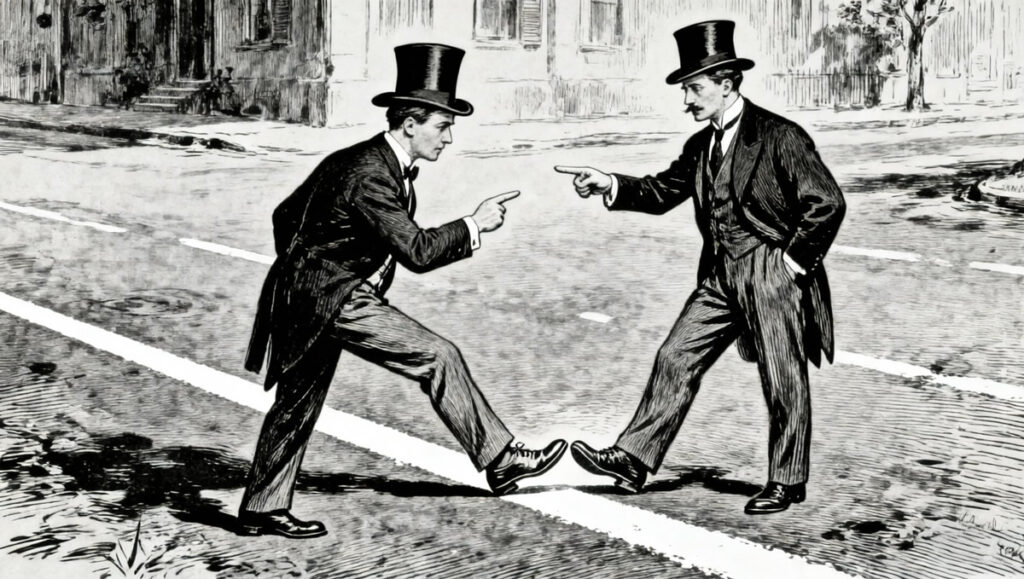
A no ball is cricket’s original sin — the umpire’s small declaration that something, somewhere, has gone fractionally wrong with civilisation. Technically, it means the bowler has overstepped the front line, bowled an illegal delivery, or otherwise broken one of the sacred but elastic laws of motion. Spiritually, it’s cricket’s way of muttering, “Try again, old boy — this time within the lines.”
In practice, a no ball gifts the batting side an extra run and, in white-ball formats, a free hit — a phrase that sounds generous but usually leads to existential ruin for the bowler. The offending foot can be a millimetre too bold, the arm a degree too flat, the body a fraction too eager. The umpire’s outstretched arm is both punishment and poetry: a semaphore of human fallibility.
The origins of the rule date back to the 19th century, when bowlers began testing the moral geometry of the crease. Each generation since has found new ways to err — high full tosses, dangerous bouncers, and even “front-foot sensors” that can ruin a man’s evening by a pixel. Technology may have refined the measurement, but it has not dulled the shame.
And yet, for all its small-print tragedy, the no ball keeps cricket honest. It reminds us that every delivery — like every grand plan — is subject to the frail precision of human limbs. Without it, the game would lose its most poetic contradiction: that perfection can be undone by the length of a toe.